
Does anyone go to Physical Therapists (Or PTAs) who …
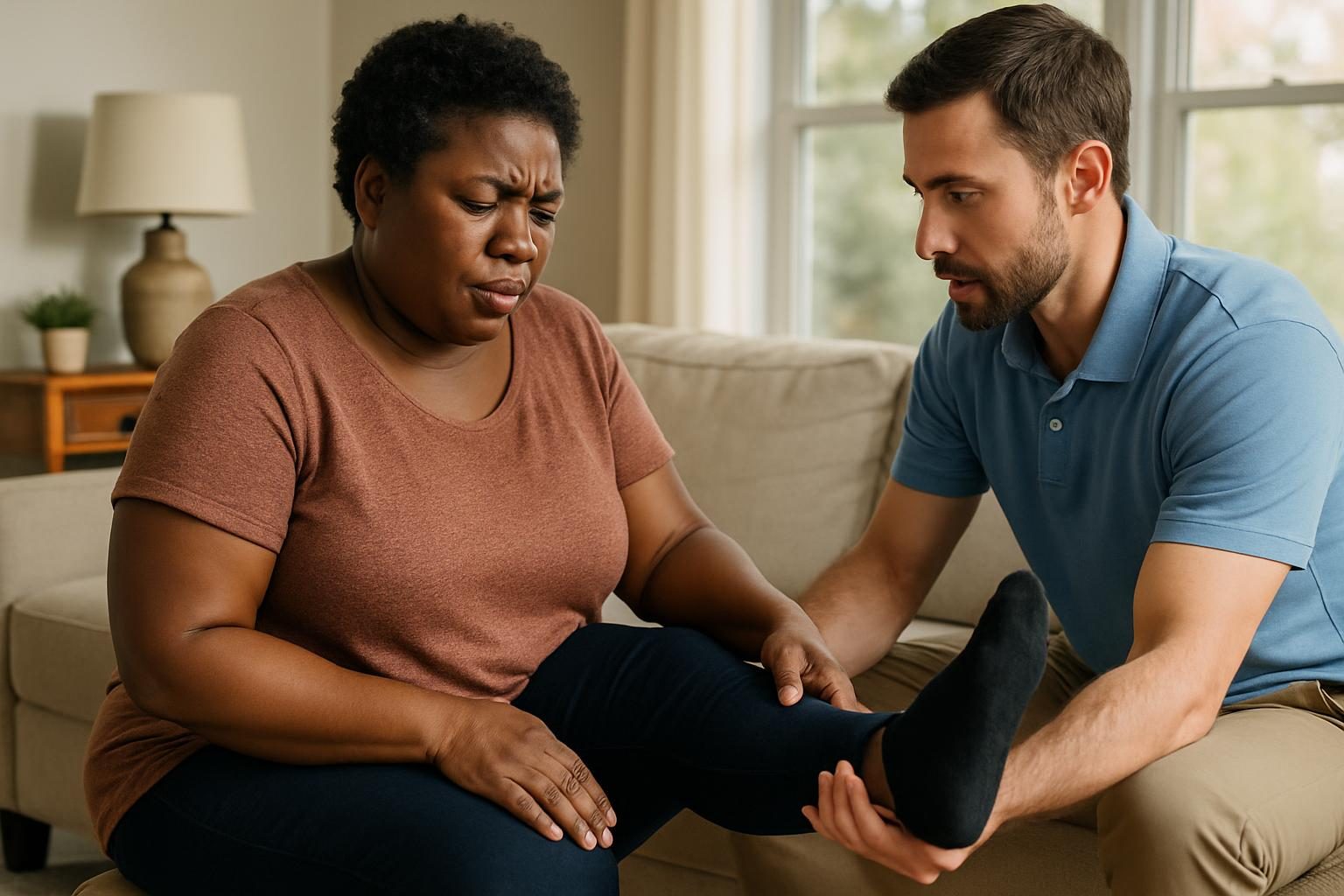
Yes, many people do see physical therapists and physical therapist assistants for supervised exercise, mobility work, and rehabilitation, including for neck, back, and whiplash-type problems. PTs assess movement and create the plan of care, while PTAs help carry it out under supervision. Whether PT is a good fit depends on your specific diagnosis, symptoms, and any red-flag signs that might require medical evaluation first. If you are in Andover, MN, a licensed clinician can help you decide if movement-based rehab should be part of your overall care plan.
What people usually mean when they ask this question
In practical terms, most people are asking one of three things: whether PT is worth it, whether a PTA can do the work instead of a PT, or whether PT is useful for a specific problem like pain, stiffness, or recovery after an accident. For many patients, PT involves a mix of one-on-one assessment, hands-on guidance, home exercises, and progress tracking rather than a single “fix.”
Physical therapy is also common because it is designed to improve function, not just reduce symptoms. That means a clinician may focus on walking, reaching, lifting, balance, neck motion, or returning to everyday tasks safely, depending on the condition and the exam findings. The American Physical Therapy Association describes PT as care that evaluates movement and helps people improve function and manage pain-related limitations.[1]
What PTs and PTAs do
A physical therapist (PT) evaluates the problem, sets goals, and makes the treatment plan. A physical therapist assistant (PTA) works under the PT’s direction and helps carry out parts of that plan, such as guided exercises or mobility practice, depending on state rules and the clinic setup. The important point is that both are part of the rehabilitation team, but the PT is responsible for the overall evaluation and plan of care.[2]
In many clinics, patients are seen multiple times so the plan can be adjusted as symptoms, strength, and movement change. That matches what many people describe online about supervised sessions and a gym-based environment, but the actual format can vary widely from clinic to clinic and from patient to patient.
When physical therapy is commonly used
Physical therapy is often used for neck pain, back pain, sports injuries, balance concerns, post-operative rehab, and some work-related or auto-related injuries. It may also be part of care after a whiplash injury if a clinician decides movement retraining, symptom-guided exercise, or posture and activity modification are appropriate. Johns Hopkins Medicine notes that PT can be used to help restore movement and function after injury or surgery and to support pain management in certain conditions.[3]
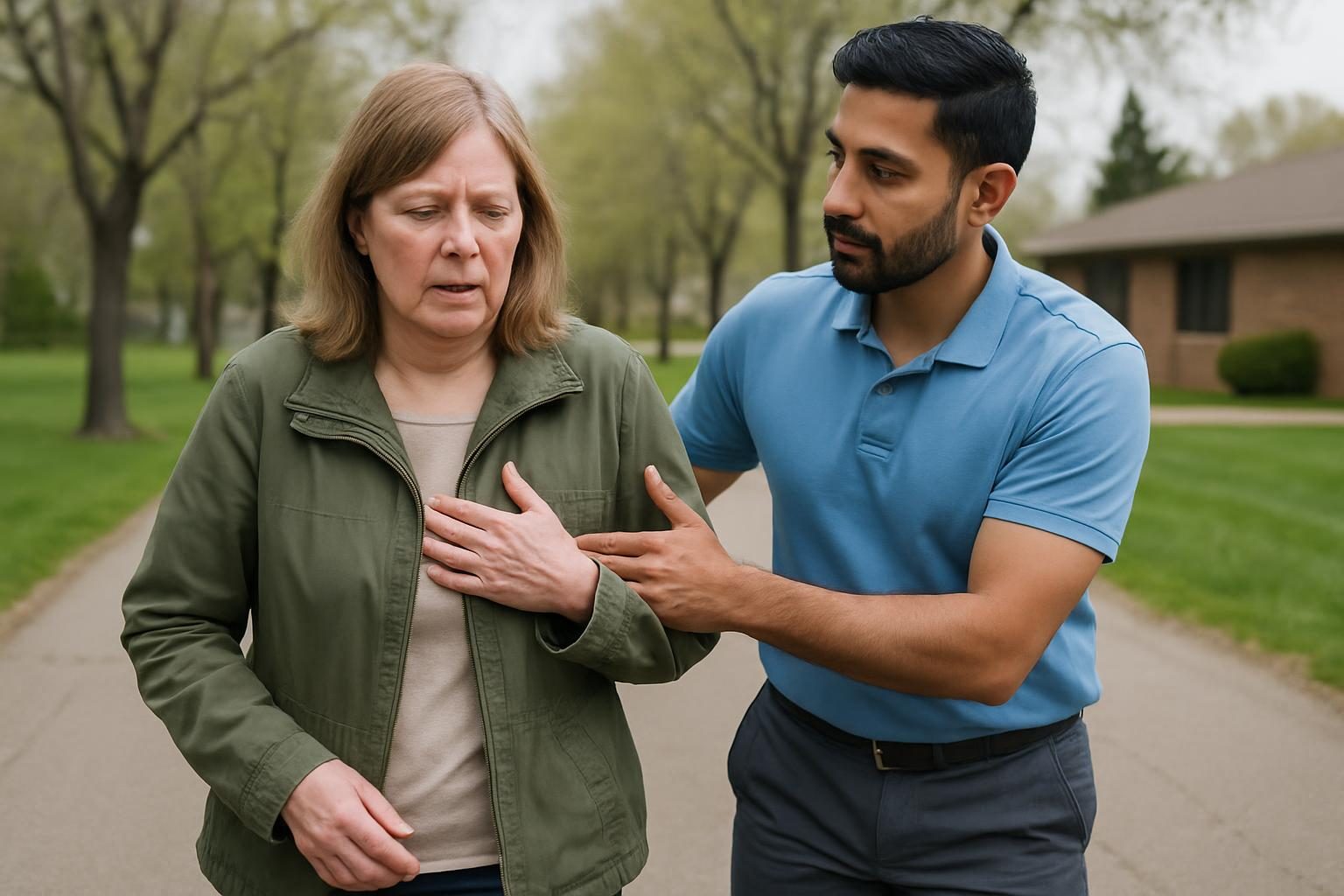
That said, PT is not automatically the right answer for every problem. If symptoms include severe weakness, worsening numbness, trouble walking, loss of bladder or bowel control, fever, unexplained weight loss, or major trauma, the priority is medical evaluation first rather than simply starting exercises on your own. The CDC and other medical sources emphasize seeking prompt evaluation for serious or rapidly worsening symptoms after injury.[4]
What a first visit may look like
A first PT visit usually starts with questions about your symptoms, injury history, activity level, prior treatment, and goals. The clinician may check range of motion, strength, balance, posture, walking pattern, and the movements that provoke or ease symptoms. Based on that exam, they may recommend exercises, activity changes, education, or referral back to another clinician if something outside the scope of PT is suspected.[2][3]
For someone recovering from a neck injury or whiplash-like strain, the first visit may be very gentle. Treatment does not need to be aggressive to be useful, and good care should be matched to the person’s current tolerance, not to a fixed routine. The safest approach is typically symptom-guided and adjusted over time.
How PT and chiropractic care can fit together
Some people wonder whether they need PT, chiropractic care, both, or neither. In real-world care, these decisions depend on the type of problem, the findings on exam, and what has already been tried. For example, after an auto accident, one person may need exercise-based rehabilitation, another may need medical imaging or medication review first, and another may benefit from a combination of approaches coordinated over time.
At a local level, it can help to work with a clinic that understands both movement rehab and musculoskeletal injury patterns. If you want to compare how rehabilitation may be discussed in a chiropractic setting, the Andover whiplash and auto injury care page is a useful related resource. For broader educational context about how care is organized in the area, readers can also review the physical therapy andover mn page again when considering whether movement-based care is appropriate.
Questions to ask before starting PT
If you are deciding whether to go, these questions can help you make a practical choice:
- What problem are we trying to address first?
- Is this safe to treat with exercise and movement right now?
- What should I expect to feel during or after sessions?
- How will progress be measured?
- What should make me stop and call the clinic or another provider?
These questions are especially useful if you are dealing with neck pain, whiplash, or another injury where symptoms can change over time. A cautious, stepwise plan is usually better than trying to “push through” pain.
When a referral or medical check may be needed first
Physical therapy is often appropriate after an initial evaluation, but not every case should start with exercise alone. If you had a major collision, have new neurologic symptoms, or your pain is getting worse instead of gradually improving, it is important to be examined by a qualified medical professional. Cleveland Clinic notes that whiplash symptoms can range from mild to more serious, and persistent or severe symptoms deserve clinical attention.[5]
That is why good care is cautious rather than one-size-fits-all. A clinician may recommend imaging, medication review, follow-up visits, or another type of referral before or alongside PT depending on the exam findings.
How this applies in Andover, MN
In Andover and nearby north-metro communities, people often look for care that is convenient, coordinated, and practical for real-life schedules. If you are comparing local options, think less about marketing claims and more about whether the clinic listens, explains the plan clearly, and gives you a realistic next step.
It can also help to know the local context. The city of Andover serves residents across a mix of neighborhoods and roadway corridors, which matters when mobility, driving, or commuting is limited after injury. For local context, this article draws on publicly available community references including the City of Andover, Anoka County, North Memorial Health, Mercy Hospital, Coon Rapids Dam Regional Park, and nearby regional trail access.[6][7][8][9][10][11]
Practical signs PT may be worth discussing
Consider asking about PT if you have pain or stiffness that makes daily activities harder, you are recovering from a sprain/strain or surgery, or you want help building back strength and confidence with movement. PT can also be useful when you need a structured plan and do better with supervision than with trying to follow exercises alone.
It may be less helpful as a first step if you have a red-flag symptom, an unstable condition, or a problem that has not yet been evaluated. In those situations, the safest path is medical assessment first.
What not to expect
Physical therapy should not be presented as a may support individualized outcomes. Improvement often depends on the condition, how long symptoms have been present, the quality of follow-through, and whether other health factors are involved. Reputable sources describe PT as a tool to improve movement, function, and symptom management—not a promise of instant relief.[1][3]
If you have already tried therapy and it did not help, that does not automatically mean PT is useless; it may mean the diagnosis, dose, pacing, or overall care plan needs to be reassessed. Good care adapts to the person rather than repeating the same plan indefinitely.
Bottom line
Yes, many people do go to PTs or PTAs for guided rehabilitation, especially when the goal is to restore movement, build strength, or manage pain after an injury. The right next step depends on your symptoms, your exam findings, and whether there are reasons to involve a medical provider first.
For readers in Andover, MN, the best approach is usually to choose a clinic that explains the plan clearly, avoids overpromising, and coordinates care when needed.
Frequently Asked Questions
Do people usually go to a physical therapist for back or neck pain?
Yes. Physical therapy is commonly used for back pain, neck pain, and other movement-related problems when a clinician thinks exercise, education, and guided rehab may help.
What is the difference between a PT and a PTA?
A PT evaluates you, creates the plan of care, and makes clinical decisions. A PTA helps carry out parts of that plan under the PT’s supervision and within state practice rules.
Can PT help after a whiplash injury?
It may help in some cases, especially when the plan is gentle and symptom-guided. A clinician should first make sure there are no signs that need medical evaluation before exercise-based rehab starts.
How many PT visits do people usually need?
It varies a lot. Some people need only a few visits, while others need a longer course of care depending on the condition, severity, and progress over time.
Should PT hurt?
PT should not be a no-pain experience, but it also should not be aggressively painful. Mild temporary soreness can happen, yet worsening or severe pain should be discussed with the clinician.
Can I go to PT without a referral?
That depends on state law, insurance rules, and the clinic’s policies. Even when direct access is allowed, some conditions still need medical evaluation first.
What should I bring to a first PT appointment?
Bring your medication list, prior imaging or reports if you have them, insurance details if needed, and a clear description of what movements or activities are hardest right now.
What if I do not improve with PT?
If you are not improving, the plan may need to be adjusted or the diagnosis reconsidered. It is important to tell the clinician what is not changing so the care plan can be revised.
Is PT only for athletes?
No. PT is used for many people, including workers, older adults, post-surgical patients, and anyone with a movement or function problem that may benefit from rehab.
When should I seek urgent care instead of trying PT first?
If you have severe weakness, numbness that is getting worse, trouble walking, loss of bladder or bowel control, chest pain, trouble breathing, or serious trauma, seek urgent medical care first.